A self-service champagne cart offers a sophisticated, interactive way to delight your guests, allowing them to mingle at their own pace while maintaining a pristine luxury presentation. Perfect for cocktail receptions, bridal showers, and upscale networking events throughout Los Angeles.
The Experience Includes:
Bespoke Presentation: A beautifully styled, maneuverable mobile cart positioned perfectly to complement your venue’s aesthetic, indoors or under the California sky.
Curated Bottle Selection: Pre-stocked with a concise, premium assortment of champagnes and sparkling wines (including Brut, Rosé, and a prestige cuvée), alongside a sophisticated non-alcoholic option.
Premium Glassware Styling: Access to elegant flutes and vintage coupes, tailored to your setting—ranging from fine crystal for indoor galas to high-end acrylic for pristine poolside and outdoor lounge settings.
Artisanal Garnish Station: A beautifully presented accompaniment bar featuring fresh raspberries, citrus twists, edible floral accents, and custom-flavored sugar rims.
Chilled to Perfection: Integrated luxury ice bins and insulated compartments ensuring every pour is flawlessly chilled throughout your event.
The Benefits:
Guest Autonomy: Attendees delight in crafting their own pours, entirely eliminating lines and bar wait times.
Visual Centerpiece: The beautifully styled cart acts as a striking focal point, creating a natural photo-op for your guests.
Seamless Efficiency: An ideal beverage solution for networking hours, cocktail segments, or greeting arrivals.
Note: Includes white-glove delivery, custom styling setup, and prompt breakdown across Los Angeles County. We assist with bottle-quantity planning based on your guest count to ensure a seamless flow.
A self-service champagne cart offers a sophisticated, interactive way to delight your guests, allowing them to mingle at their own pace while maintaining a pristine luxury presentation. Perfect for cocktail receptions, bridal showers, and upscale networking events throughout Los Angeles.
The Experience Includes:
Bespoke Presentation: A beautifully styled, maneuverable mobile cart positioned perfectly to complement your venue’s aesthetic, indoors or under the California sky.
Curated Bottle Selection: Pre-stocked with a concise, premium assortment of champagnes and sparkling wines (including Brut, Rosé, and a prestige cuvée), alongside a sophisticated non-alcoholic option.
Premium Glassware Styling: Access to elegant flutes and vintage coupes, tailored to your setting—ranging from fine crystal for indoor galas to high-end acrylic for pristine poolside and outdoor lounge settings.
Artisanal Garnish Station: A beautifully presented accompaniment bar featuring fresh raspberries, citrus twists, edible floral accents, and custom-flavored sugar rims.
Chilled to Perfection: Integrated luxury ice bins and insulated compartments ensuring every pour is flawlessly chilled throughout your event.
The Benefits:
Guest Autonomy: Attendees delight in crafting their own pours, entirely eliminating lines and bar wait times.
Visual Centerpiece: The beautifully styled cart acts as a striking focal point, creating a natural photo-op for your guests.
Seamless Efficiency: An ideal beverage solution for networking hours, cocktail segments, or greeting arrivals.
Note: Includes white-glove delivery, custom styling setup, and prompt breakdown across Los Angeles County. We assist with bottle-quantity planning based on your guest count to ensure a seamless flow.


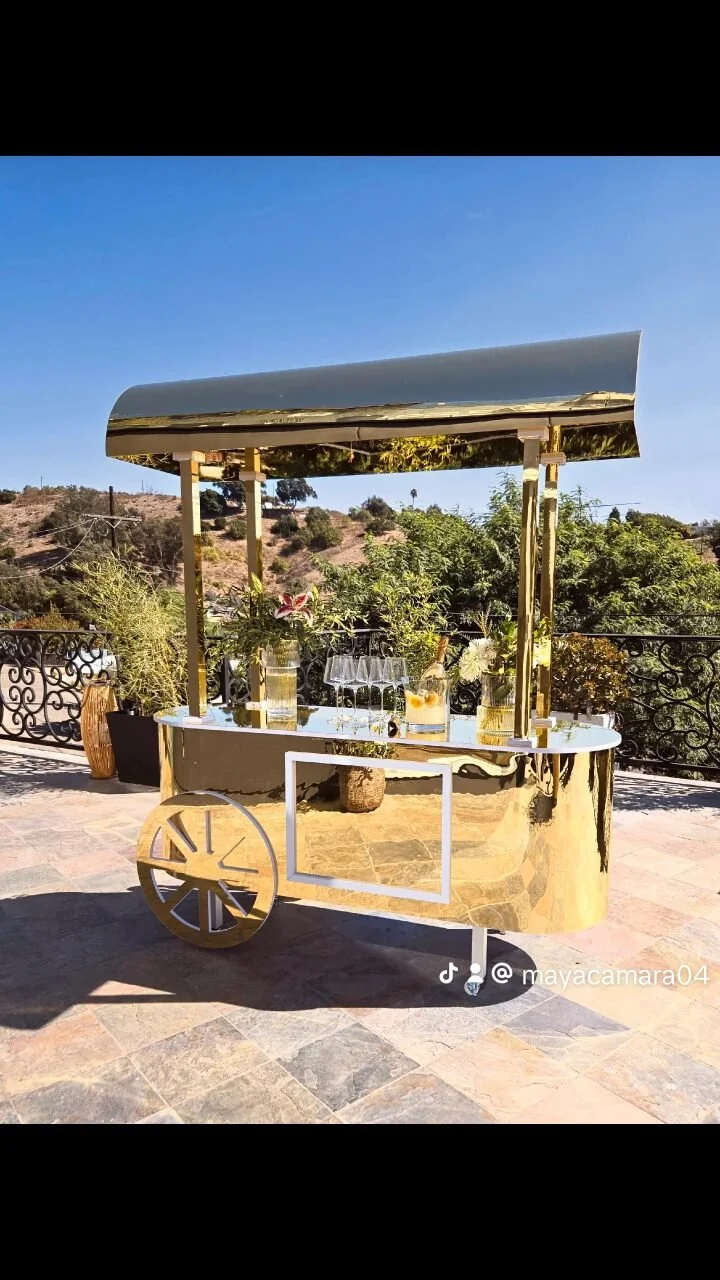 Image 1 of 6
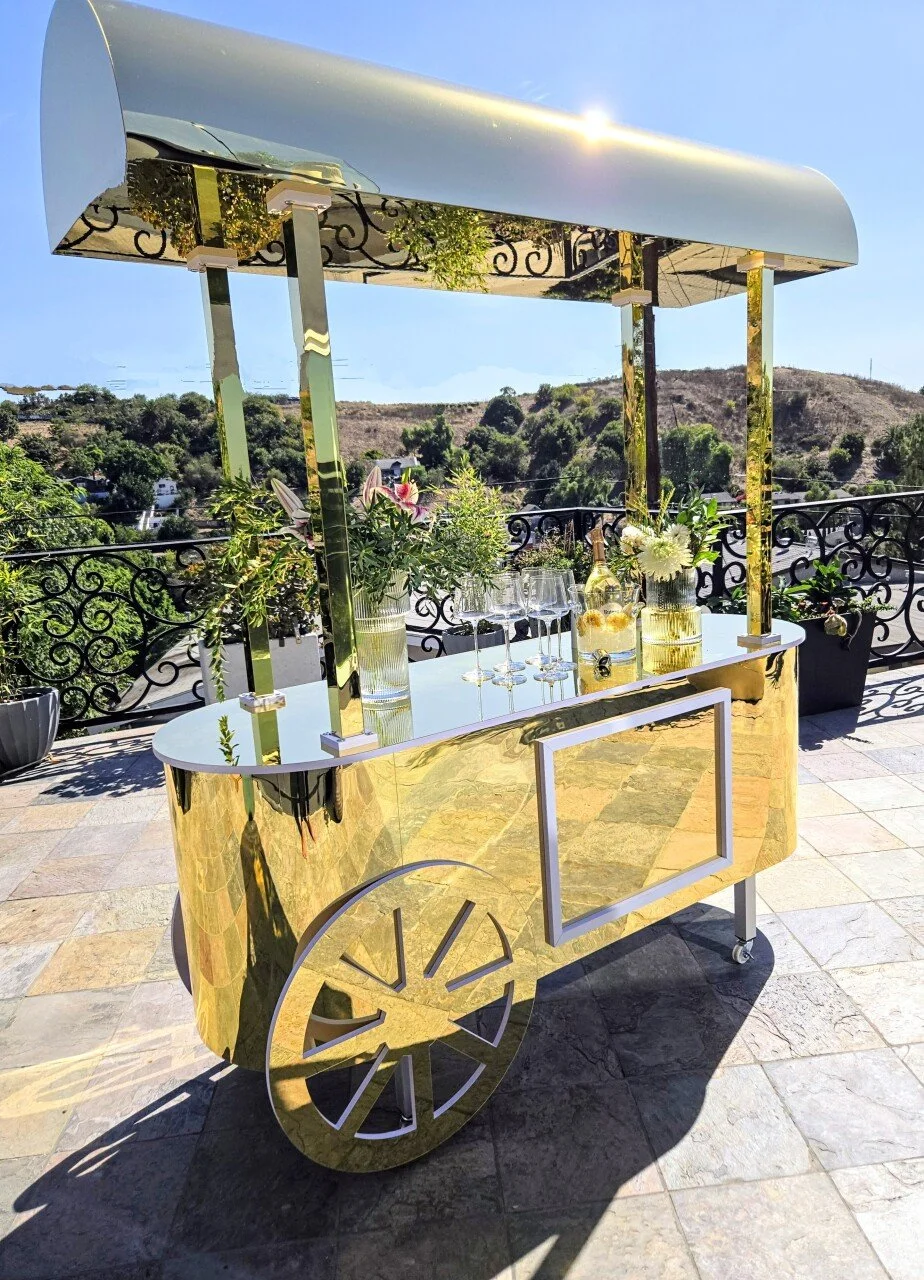 Image 2 of 6
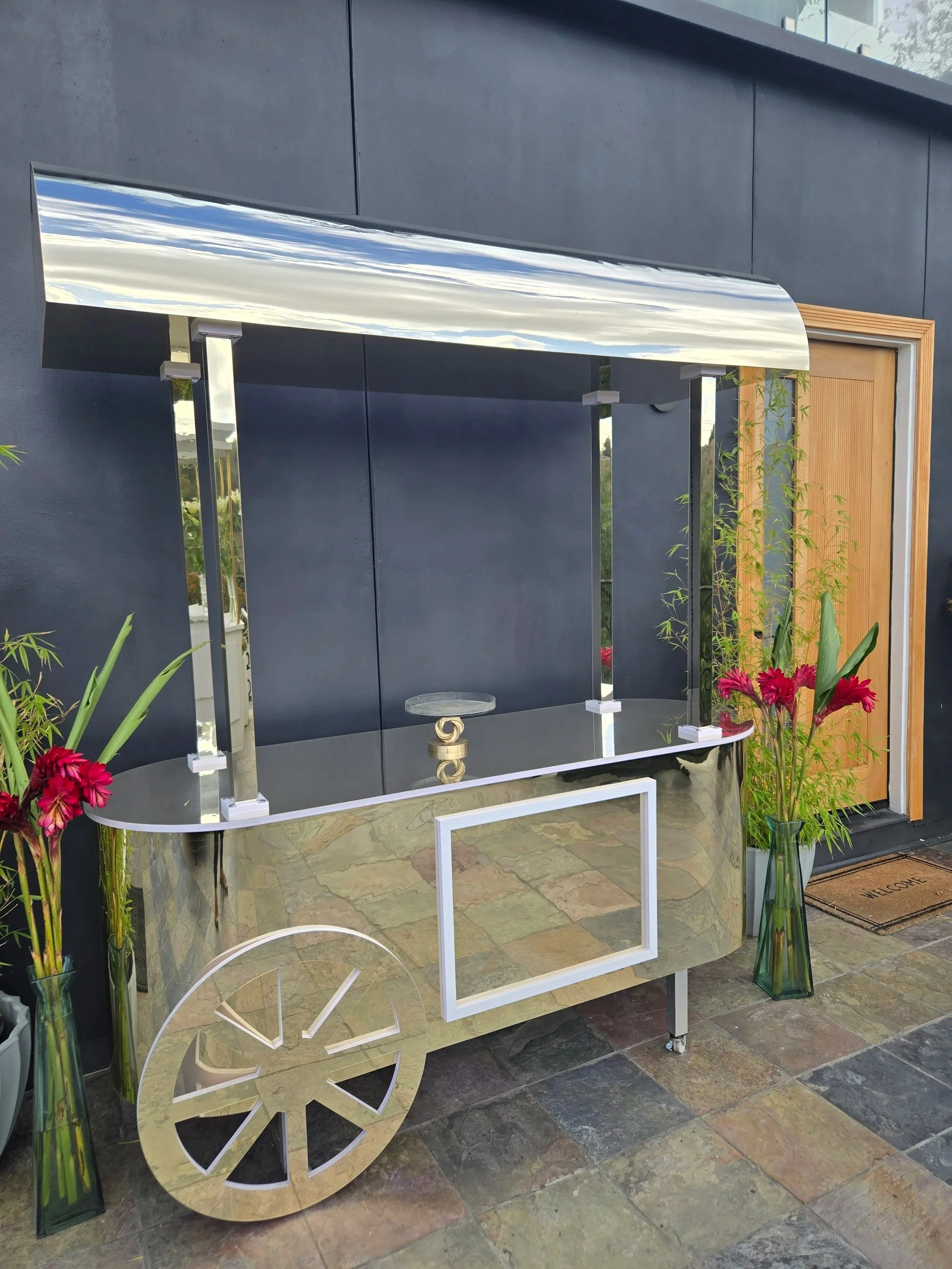 Image 3 of 6
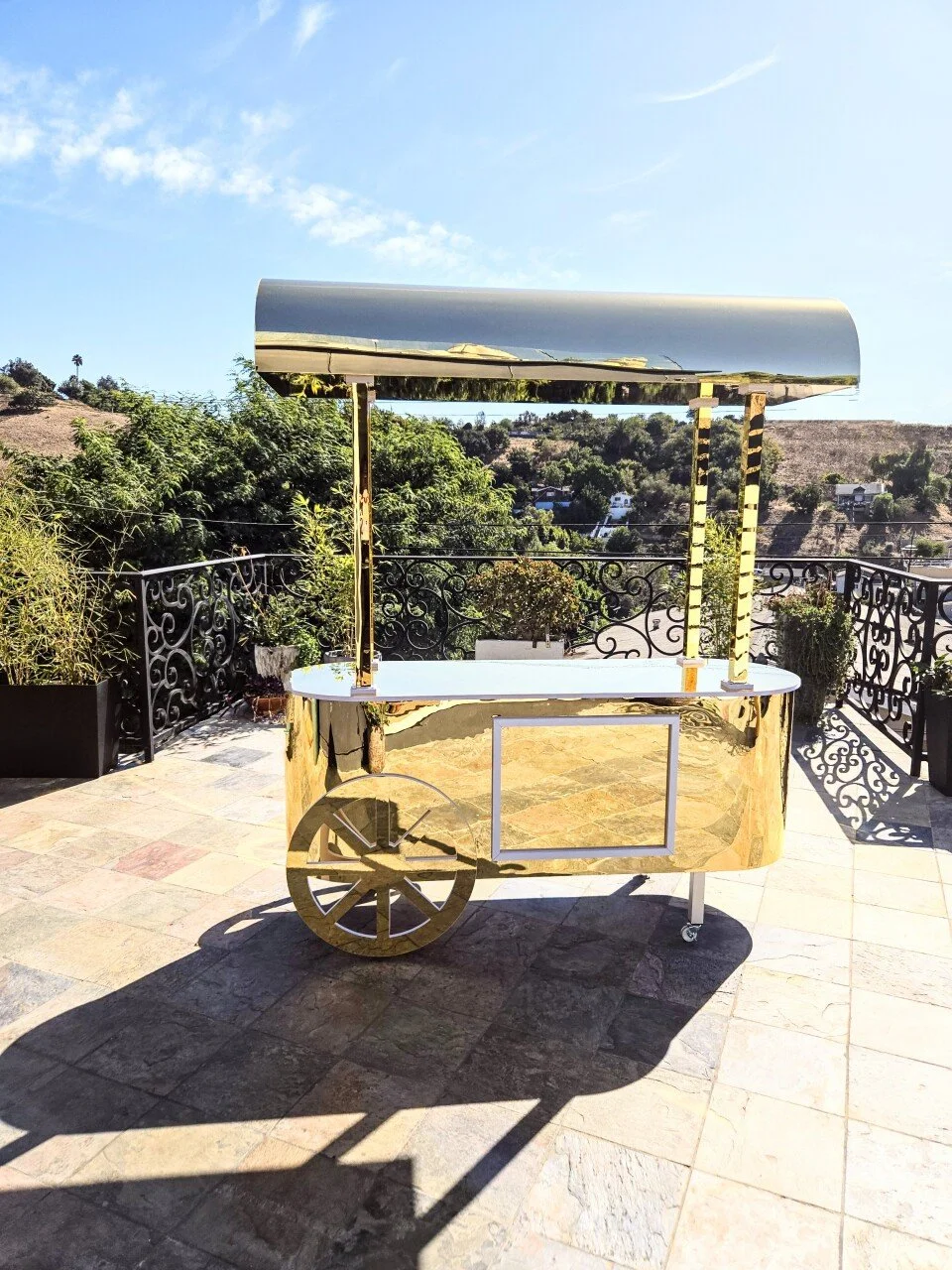 Image 4 of 6
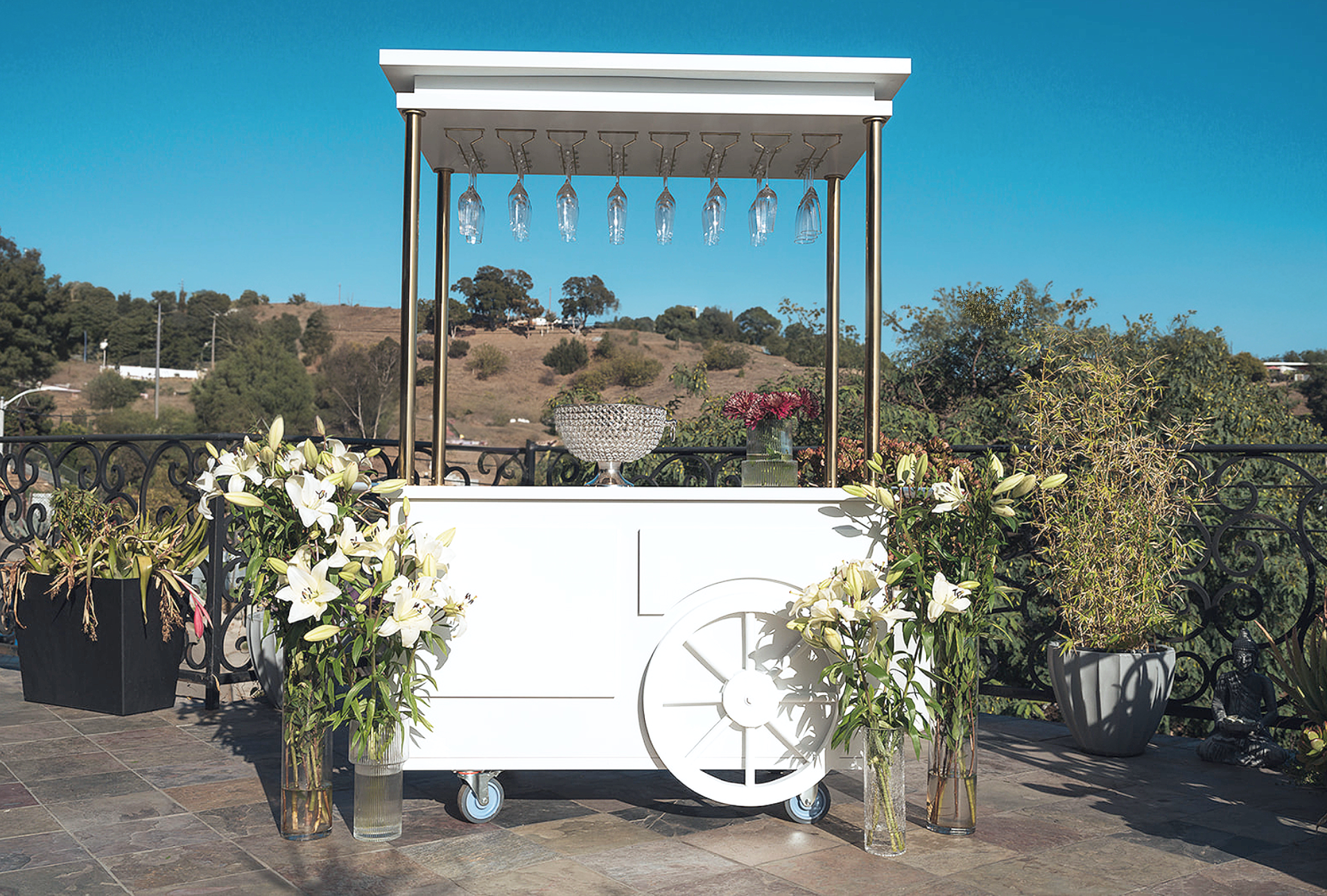 Image 5 of 6
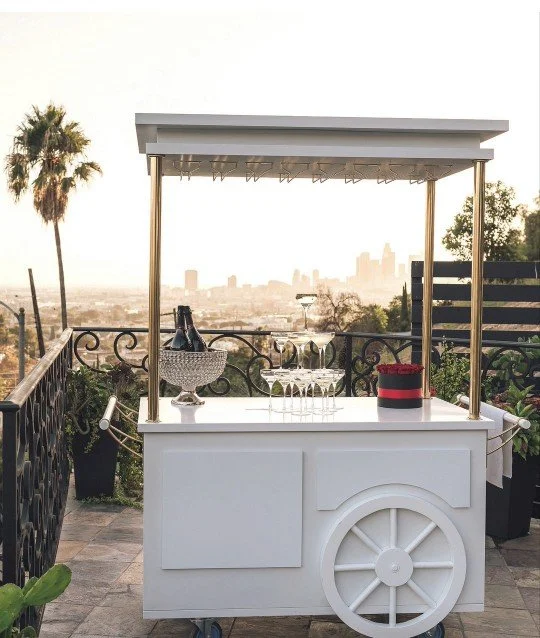 Image 6 of 6